Fire safety is a critical concern for any business operating in the United States.
This article explores how American companies can strengthen fire safety through up-to-date certifications.
Read on to discover the key components of fire safety compliance.
Why Fire Safety Matters in US Offices
According to the National Fire Protection Association (NFPA), thousands of commercial fires occur each year, causing billions in property damage and tragic losses of life.
Investing in proper fire safety measures is not just about meeting legal codes; it’s about creating a culture of care and preparedness.
That’s why understanding the full scope of fire safety—training, equipment, documentation, and inspections—is essential for every organization.
What Is Fire Warden Training in the US?
Fire wardens act as safety leaders, guiding colleagues to exits, checking on vulnerable individuals, and ensuring no one is left behind.
Many programs cover topics like fire extinguisher use, alarm systems, emergency communication, evacuation routes, and post-incident reporting.
Well-trained fire wardens not only enhance safety but also help organizations pass compliance inspections, reducing legal and insurance risks.
How to Prepare for Fire Safety Certification and Renewals
These certifications confirm that the office has adequate fire alarms, extinguishers, evacuation plans, signage, and trained personnel in place.
To prepare, start by conducting an internal audit.
Certification isn’t a one-time event—renewals are typically required every few years or after major renovations or occupancy changes.
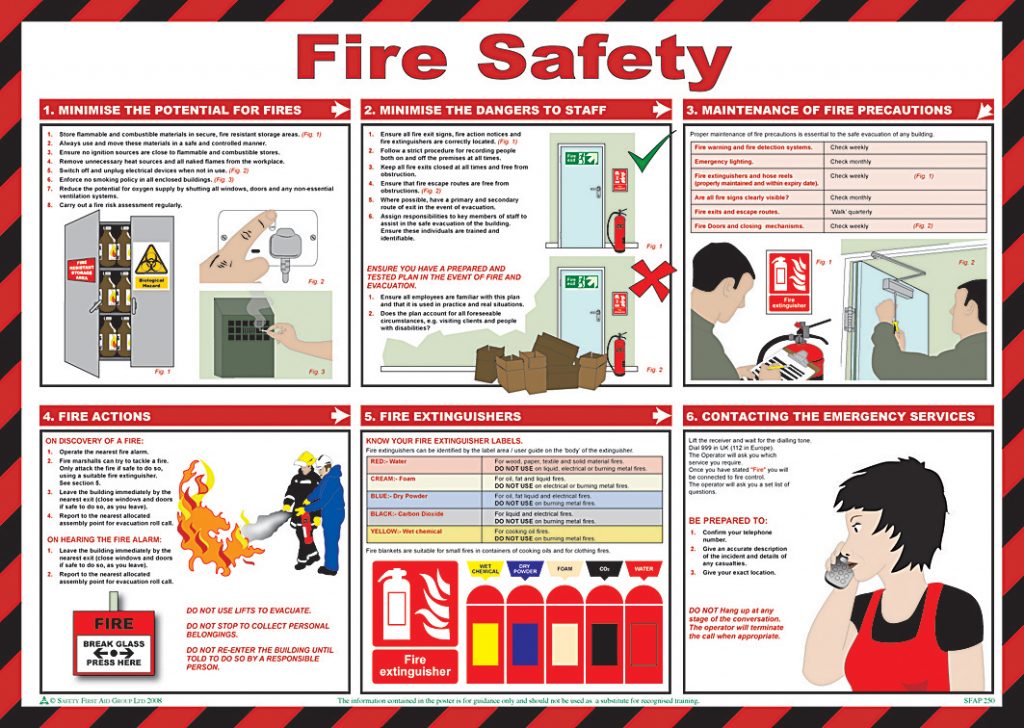
Ongoing Strategies for Workplace Fire Prevention
This includes routine equipment checks, clear communication, and fostering a culture where all employees understand their role in fire prevention.
Ensure that emergency exits remain unlocked, clearly marked, and free of obstructions at all times.
Host periodic refresher trainings, conduct surprise fire drills, and encourage team leaders to review emergency plans during staff meetings.
Why Compliance Matters for Liability and Coverage
Beyond regulatory penalties, companies may face reputational damage, employee distrust, and operational disruptions.
Many commercial insurance policies require proof of current fire safety certifications, maintenance logs, and training records.
Investing in compliance is not just about avoiding penalties—it’s about protecting your assets, your team, and your future.

Why Every US Business Needs Strong Fire Safety Practices
Creating a fire-safe workplace is not just about ticking regulatory boxes—it’s about protecting lives, preserving property, and fostering a culture of responsibility.
By investing in fire warden training, maintaining up-to-date certifications, and conducting regular safety audits, organizations position themselves for long-term success.
Keep your team informed, your equipment updated, and your plans reviewed regularly.
Common Questions on Workplace Fire Prevention
Who needs fire warden training in a US office?
Typically, designated employees such as team leads, managers, or safety officers receive fire warden training.
How often should fire safety certifications be renewed?
Renewal periods vary by jurisdiction but are often required every 1–3 years.
What are common causes of office fires?
Routine inspections and employee awareness help prevent these hazards.
How does fire safety affect insurance coverage?
Failing to meet these standards may reduce payout or lead to denied claims in case of a fire.
What should be included in an office fire safety plan?
A good fire safety plan includes evacuation routes, assembly points, alarm procedures, roles for fire wardens, communication protocols, and equipment locations.
descubra como fazer responsabilidades da brigada de incêndio empresa de segurança contra incêndio